Not quite full circle back to the Hindenburg, but pretty interesting idea
Airbus and MTU plan a joint venture to develop hydrogen fuel-cell propulsion for future commercial aircraft.

aerospaceglobalnews.com
I'd be interested to see if this has legs. The constant issue with hydrogen, whether it be for combustion or in fuel cells, is that it is not a dense gas, and has a relatively low volumetric energy density, hence why it is so light.
This means that in gaseous form it takes up a lot of space for the amount of gas that you have, and it is extremely difficult to prevent leaks from joint and couplings. Hydrogen embrittlement is a big risk for your components around hydrogen, and you have to compress it to around 700 bar.
In liquid form it must be cooled to −253°C to remain in liquid form, which requires a tremendous amount of energy. Large-scale liquefaction plants consume about 13.8 kWh per kilogram of hydrogen, representing over 35% of the energy content of the hydrogen itself, making the process highly inefficient compared to other fuels like natural gas. Then you need thick insulation to keep the liquid hydrogen that cold or it starts boiling off.
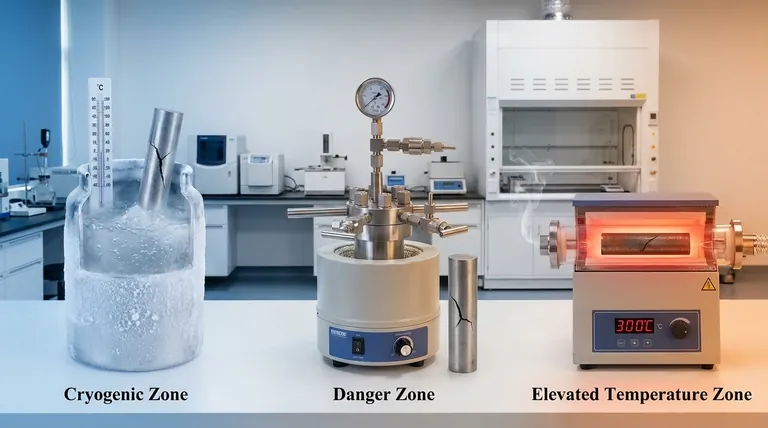
Because of the cryogenic temperatures and hydrogen’s tendency to create cracks in steel you need specialized alloys for components and fittings and around 1-5 percent of stored liquid hydrogen is lost per day due to evaporation. When liquid hydrogen reaches temperatures above –253°C it turns back into a gas, expanding by a factor of around 800 percent. This expansion rate rapidly increases pressure within the tank, raising the risk of an explosion and requiring the gas to be vented out of the vessel.
I think this is why hydrogen cars haven't really taken off despite the Japanese spending a lot of R&D in that area.